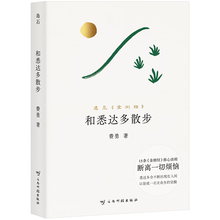
《古典今读·第3辑:<论语>英文篇》:
With their embellishments, the Ru plunge the law into disorder; with their martiality, the knight-errants oppose restrictions, and yet the ruler embraces them and treats them according to ritual propriety. For this reason there is disorder. He who diverges from the law is guilty, but all those gentlemen [i. e. the Ru] are selected because of their embellished learning. He who opposes restrictions is executed, but the group of knight-errants is fed because of the swords that they privately own. And so it is those condemned by the law that the prince selects; it is those who the officials execute that the highest one feeds.
While shuttling back and forth between the highest and [his] inferiors, the laws are repeatedly reversed (?) and lack firm ground. Even if there were ten Yellow Emperors, they would be unable to impose order on this. Therefore: The one who implements benevolence and righteousness is not to be praised; praise him, and his will prove harmful to achievements. Those of embellished learning are not to be employed; employ them, and this with plunge the law into disorder.
When there was a straight-bodied man in Chu, and his father stole a sheep and he reported him to the officials, the chancellor said: "Kill him. He believed himself to be straight toward his ruler, but [in fact] behaved deviously toward his father, so he reported him and implicated him in a crime. " From this point of view , a ruler's straight subject is a violent son to his father.
A man from Lu followed his ruler into battle, and in three battles he was defeated thrice. When Zhongni enquired about the reason, the man replied: "I have an elderly father, and should I die, nobody would nurture him. " Zhongni considered him filial and promoted and honoured him. From this point of view, a father's filial son is a subject that spells defeat for his ruler.
Therefore: The chancellor ordered an execution and crimes in Chu were not reported to the superiors[ anymore]. Zhongni ordered a reward and the people of Lu easily submitted to defeat. To such extent do the respective benefits of the highest and his inferiors diverge, and if the ruler embraces and promotes the conduct of ordinary men in order to secure blessings for the altars of soil and grain, this will inevitably lead to failure.
To summarise the discussion in this passage: Both the Ru-or "Classicists"——and the "knight-errants" undermine the rule of law, the Ru through their teachings and the knight-errants through their willingness to employ illegal violence for their own, private ends. Nevertheless, both groups enjoy the support of the ruler. Such inconsistency in the application of the law causes unrest, so the ruler needs to change his treatment of these groups and throw the book at them if they misbehave. This is the central concern of the passage.
Han Fei (ca. 280-ca.233 BC)-provided that he wrote this-then uses two illustrations to drive home his point that moral considerations should not be allowed to interfere with the application of legal regulations. The first is the anecdote about the "straight-bodied man" from Chu and his father. It looks rather different from the Lunyu version in that the straight-bodied man is punished by the chancellor for the betrayal of his father. As a result of this emphasis on a family-centred ethics, Han Fei points out in his conclusion, crimes were not reported anymore in the state of Chu. The second illustration involves Confucius. He reccommends a soldier from his homestate of Lu for shying away from fighting because he fears that his father might wind up without support if he falls on the battlefield.
……
展开